
Introduction
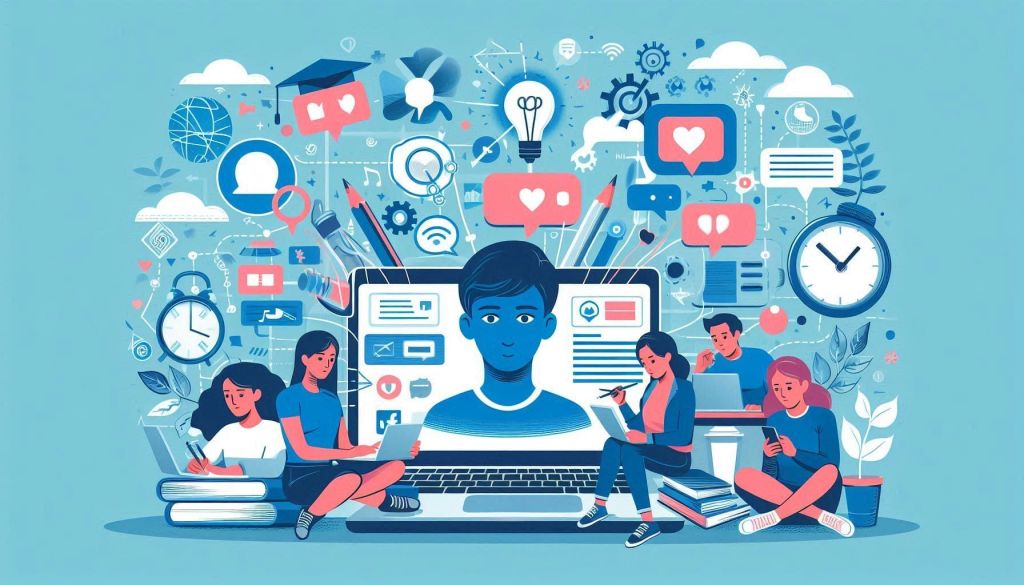
Hey there! Have you ever found yourself endlessly scrolling through social media, only to feel a bit down afterwards? You’re not alone. Social media is a huge part of our lives, especially for students. It’s a great way to stay connected, but it can also have some pretty serious effects on mental health. In this post, we’ll dive into how social media impacts student mental health and share some practical steps to mitigate its negative effects. Let’s get started!
The Double-Edged Sword of Social Media
The Good Side
Social media has a lot of perks. It helps you stay in touch with friends, share your achievements, and even learn new things. Platforms like Instagram, TikTok, and Snapchat can be great for finding inspiration, joining communities, and staying updated on the latest trends. For many students, social media is a way to express themselves and connect with like-minded people.
The Dark Side
However, there’s a flip side to all this connectivity. Studies have shown that excessive use of social media can lead to feelings of loneliness, anxiety, and depression. For example, comparing yourself to the seemingly perfect lives of others can make you feel inadequate. Ever heard of FOMO (Fear of Missing Out)? It’s a real thing, and social media often amplifies it.
The Impact of Social Media on Student Mental Health
Anxiety and Depression
Take Emily, a high school student who spends hours on Instagram. She follows influencers who post flawless photos and glamorous lifestyles. Emily starts to feel like she’s not good enough because she doesn’t have the same clothes, looks, or experiences. This constant comparison can lead to feelings of anxiety and depression.
Sleep Disruption
Then there’s Jake, a college student who stays up late scrolling through TikTok. He tells himself he’ll just watch one more video, but before he knows it, it’s 2 AM. Lack of sleep affects his mood, concentration, and overall mental health. The blue light from screens can interfere with the body’s natural sleep-wake cycle, making it harder to fall asleep.
Cyberbullying
Cyberbullying is another serious issue. Sarah, a middle school student, receives mean comments on her posts. This online harassment makes her feel isolated and scared. Cyberbullying can have severe emotional consequences, leading to low self-esteem and even suicidal thoughts.
Addiction
Finally, let’s talk about social media addiction. Michael, a university student, checks his social media accounts constantly, even during lectures. This addiction distracts him from studying and interacting with people in real life. Over time, it affects his academic performance and relationships.
Steps to Mitigate Negative Effects
1. Set Boundaries
One of the best ways to mitigate the negative effects of social media is to set boundaries. Try to limit the amount of time you spend on these platforms each day. Use apps that track your screen time and set daily limits. For instance, you might decide to spend no more than an hour on social media each day. Stick to this limit and make sure you have plenty of offline activities to keep you engaged.
2. Curate Your Feed
Curate your social media feed to include content that makes you feel good. Follow accounts that inspire and uplift you, rather than those that make you feel bad about yourself. If someone’s posts consistently bring you down, it’s okay to unfollow or mute them. Surround yourself with positive influences that encourage healthy habits and self-acceptance.
3. Practice Digital Detox
Take regular breaks from social media. A digital detox can be incredibly refreshing. Try going offline for a weekend or even just a few hours each day. Use this time to connect with friends and family in person, engage in hobbies, or simply relax without the constant barrage of notifications.
4. Be Mindful of What You Share
Think twice before posting. Ask yourself if what you’re sharing is true, kind, and necessary. Avoid getting into online arguments or drama, as these can increase stress and negativity. Remember that not everything needs to be shared publicly; some moments are best kept private.
5. Seek Support
If social media is affecting your mental health, don’t hesitate to seek support. Talk to a trusted friend, family member, or school counselor. Sometimes, just having someone to listen can make a big difference. If you’re struggling with anxiety, depression, or cyberbullying, professional help is available. There are therapists and counselors who specialize in these issues and can provide valuable guidance.
6. Focus on Real-Life Connections
Prioritize real-life interactions over virtual ones. Spend quality time with friends and family, join clubs or organizations, and participate in activities that interest you. Building strong, in-person relationships can help reduce feelings of loneliness and improve your overall well-being.
7. Educate Yourself
Educate yourself about the impacts of social media on mental health. Understanding the risks can help you make more informed choices about how you use these platforms. There are plenty of resources available online, including articles, videos, and even courses on digital well-being.
8. Promote Positive Use
Use social media for good. Share positive messages, support your friends, and spread awareness about important issues. Being a force for good online can improve your own mental health and contribute to a healthier digital community.
Conclusion
In conclusion, social media is a powerful tool that can have both positive and negative impacts on student mental health. While it offers opportunities for connection and expression, it can also lead to anxiety, depression, and other issues if not used mindfully. By setting boundaries, curating your feed, taking breaks, and seeking support, you can enjoy the benefits of social media while mitigating its negative effects.
Remember, it’s all about balance. Use social media as a tool to enhance your life, not control it. What strategies have you found helpful in managing your social media use? Share your thoughts in the comments below—we’d love to hear from you!
Team AajTakGK.COM

 AAj TAK GK
Leave a comment